
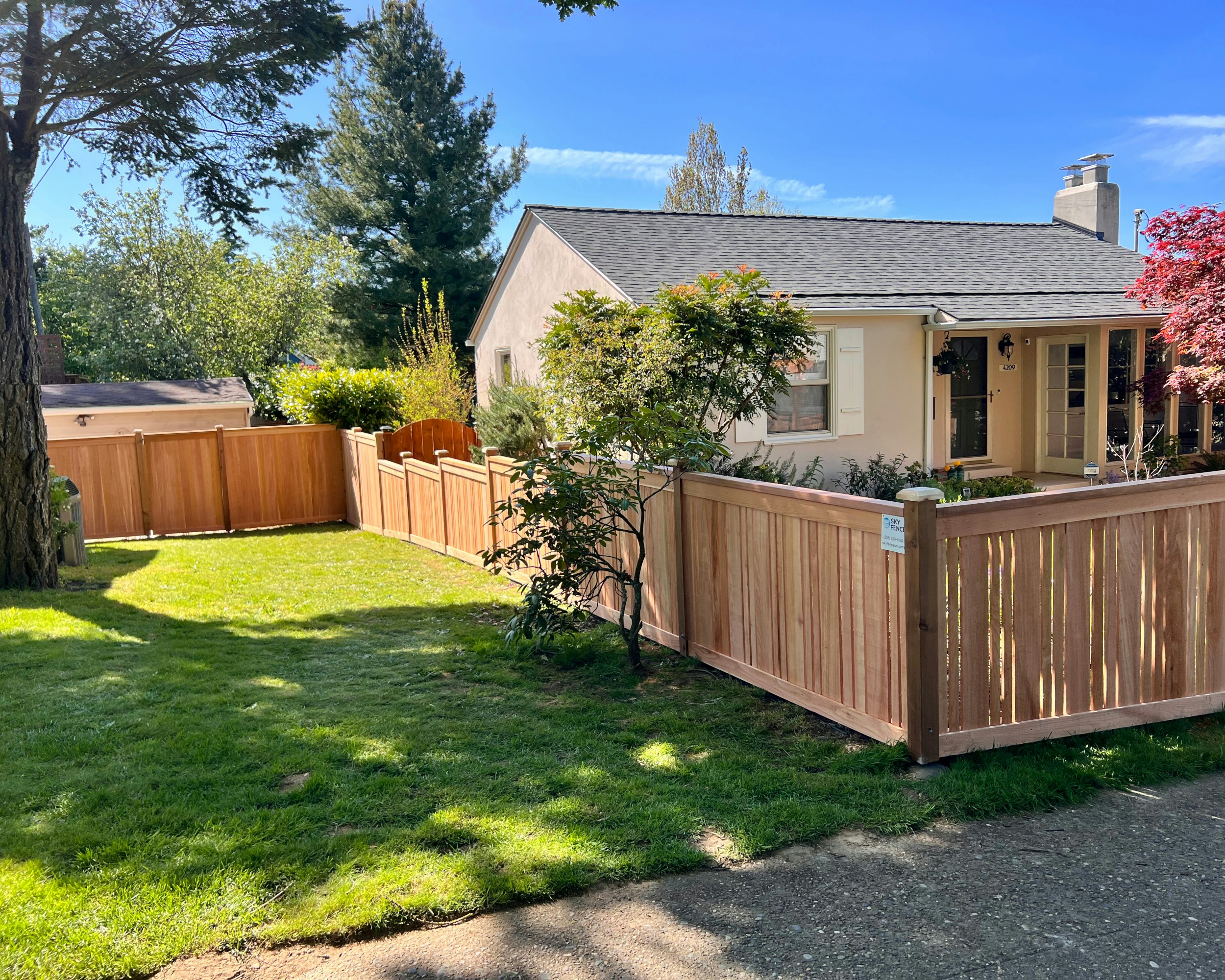
Blueprinting a Reliable Fence Project from First Inquiry to Final Walkthrough
Early scoping sets the tone for any successful fence project, and homeowners benefit by defining purpose, boundaries, and privacy goals before meeting a pro. Assess setbacks, HOA rules, and utility locations, then list preferred styles and heights. In practice, this upfront clarity helps vendors align materials and methods to your site. Request a Fence Estimate that captures labor, disposal, and contingencies so you can compare proposals fairly.
Next, site preparation deserves attention because it affects schedules and outcomes. Verify property lines with a survey or boundary markers, and document any grade changes that influence post depth and panel racking. Meanwhile, discuss gate placement for daily convenience, deliveries, and emergency access. Then review staging areas to store materials without harming landscaping, and plan buffer zones to keep pets and children away from work areas.
Material selection involves more than appearance; durability, maintenance, and local climate matter. Often, wood offers warmth and flexibility but benefits from Fence Staining after installation and periodically later. However, metal or composite may provide enhanced longevity with less upkeep. Beyond that, ask about fasteners, post anchors, and finish options. Validate warranties in writing, noting what’s covered and what maintenance is required to keep coverage intact over the fence’s lifecycle.
Permitting and compliance should be verified early to avoid rework. Inspect local codes regarding height limits, pool barriers, and corner visibility triangles. Then align the schedule with permit turnarounds and anticipated inspections, reducing idle time. In practice, a proactive Fence Inspection checklist during the build can catch issues like inconsistent post spacing or line deviations. Document approvals, product data, and as-built changes for future reference and resale disclosures.
Project sequencing impacts both quality and neighborhood harmony. Sequence demolition, post setting, curing, and panel installation so crews aren’t forced to rush. Calibrate timelines to weather, especially for concrete set times and stain application windows. Meanwhile, plan debris handling to keep sidewalks clear and driveways accessible. Finally, request a punch-list process that validates hardware function, latch alignment, and overall plumb before final payment.
Budgeting requires clarity on scope and allowances. Assess how terrain, tree removal, or specialty gates can affect costs, and ask for alternates such as different post types or finish grades. Refine the proposal by noting inclusions like haul-off, utility marking coordination, and hardware brand. Then review payment milestones tied to tangible progress. In practice, transparency reduces disputes and helps both sides maintain a predictable cash flow.
Maintenance planning starts the day the fence is finished, not years later. Maintain wood fences with timely cleaning and re-staining to buffer against moisture and UV exposure. Inspect fasteners annually and verify gate swing and latch tension after seasonal shifts. Meanwhile, track any Fence Repair needs promptly to prevent small issues from propagating along rails or posts. Document touch-ups and dates to calibrate future upkeep intervals.
Vendor fit matters as much as price. Validate that crews are experienced with your material type, slope conditions, and gate hardware. Beyond that, ask how they handle change orders, weather delays, and warranty callbacks. In practice, firms familiar with fence installation austin challenges like expansive soils and heat exposure will propose post depths and finishes suited to the environment. Then confirm communication channels for daily updates and site access protocols.
Commercial and residential needs differ, so tailor expectations accordingly. Inspect load demands for security fencing, access control options, or dumpster enclosures on commercial sites. Often, residential priorities lean toward privacy, pet containment, and curb appeal. Align design to the use case, and validate that lead times for custom panels or powder-coated components match your schedule. Finally, plan a phased rollout if multiple areas must remain operational throughout work.
When choosing among fence contractors austin, look beyond glossy photos by asking for references that reflect your project type and constraints. Assess how proposals address groundwater, root zones, or retaining walls. Then compare warranties for workmanship and finishes, making sure documentation is clear. If issues surface later, fence repair austin services can extend lifespan, while Fence Replacement becomes an option when structural elements degrade beyond practical fixes for an established austin fence.